

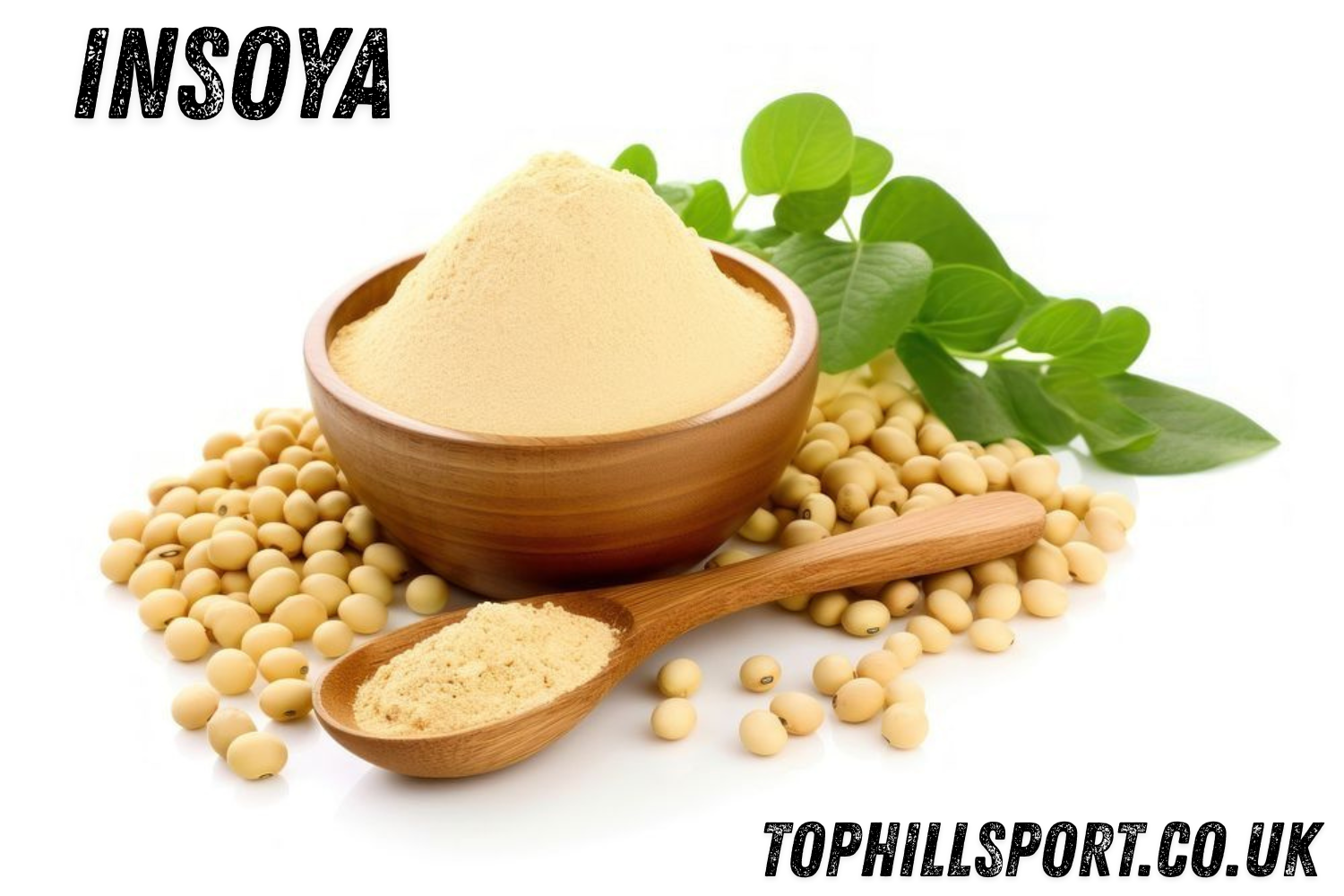
In an era when health, sustainability, and mindful eating are more important than ever, Insoya has emerged as a standout protein choice for millions of people worldwide. Whether you’re vegan, vegetarian, an athlete, or simply someone who wants healthier nutrition options, Insoya represents a nutrient‑dense, versatile, and scientifically supported source of plant protein. This article explores why Insoya has become one of the best plant‑based proteins today and how you can easily incorporate it into your daily diet.
What Is Insoya? Understanding Its Origins and Meaning
At its core, Insoya is a soy‑derived plant protein designed to deliver concentrated nutrition with high digestibility and a complete amino acid profile. Unlike many traditional soy products, Insoya is processed with a focus on preserving nutrients while minimising additives, making it a more bioavailable and digestible form of soy protein.
Insoya is created from high‑quality soybeans, which are naturally rich in protein, fibre, and beneficial plant compounds. Soy beans have been a staple in diets around the world, especially in East Asia, for centuries. Over time, innovations in food science have transformed this traditional plant protein into a more refined, more easily consumed form that meets modern dietary needs.
The Complete Nutritional Profile of Insoya
One of Insoya’s defining features is its nutritional density. Unlike many plant proteins that are “incomplete,” meaning they lack one or more essential amino acids, Insoya provides all nine essential amino acids your body cannot produce on its own. This makes it comparable in quality to animal‑based proteins.
Research on soy‑based proteins shows they have excellent protein digestibility and balanced amino acid composition, making them effective for supporting muscle function and overall health. In the scientific literature, soy protein scores very high on protein quality scales, such as the PDCAAS (Protein Digestibility‑Corrected Amino Acid Score).
Insoya also retains beneficial nutrients such as:
-
Dietary fiber for digestive health
-
Vitamins and minerals, including iron, calcium, and B vitamins
-
Phytonutrients like isoflavones, which may support long‑term wellness
These components make Insoya a full‑spectrum plant protein, suitable for a variety of dietary needs.
Why Insoya Is a Complete Protein Source
A complete protein contains all nine essential amino acids that the human body must obtain from food. Many plant proteins are lacking in one or more of these essential amino acids, meaning you’d need to combine multiple plant sources to get full protein coverage. However, Insoya, like soy itself, is a complete plant protein that naturally contains all essential amino acids.
This characteristic sets Insoya apart from other plant proteins, such as pea, rice, or hemp protein, which may require blending with other sources to achieve a similar amino acid balance. For vegans and vegetarians, this completeness simplifies nutritional planning and ensures muscle‑building and repair processes are fully supported.
Health Benefits Backed by Research: Beyond Protein
Insoya doesn’t just offer protein; it comes with a range of health benefits associated with soy consumption:
1. Heart‑Healthy Nutrition
Soy protein is recognised for its ability to support cardiovascular health by helping maintain healthy cholesterol levels. Clinical research indicates that soy protein can reduce LDL (“bad”) cholesterol when included as part of a balanced diet low in saturated fat.
2. Digestive Support
Because Insoya retains fibre and other soy components, it supports healthy digestion. Fiber promotes regular bowel movement and feeds beneficial gut bacteria, contributing to overall gut health.
3. Menopausal and Hormonal Support
Plant compounds in soy called isoflavones have been studied for their potential to ease menopausal symptoms and support bone health. These phytoestrogens may have mild estrogen‑modulating effects beneficial during hormonal changes.
4. Weight Management
Protein‑rich diets naturally support weight management by increasing satiety, reducing appetite, and helping maintain muscle mass. Insoya’s high protein and fibre content make it an excellent option for those looking to manage body weight without sacrificing nutrition.
These documented benefits highlight why plant‑based proteins like Insoya are more than just trendy supplements; they’re nutritional tools for lifelong health.
Insoya vs. Other Plant‑Based Proteins: How It Stands Out
Not all plant proteins are created equal. When comparing Insoya, a high‑quality soy protein, to other trending plant proteins like pea, hemp, or rice protein, several distinguishing factors emerge.
Pea Protein
Pea protein is popular but generally lacks the full range of essential amino acids unless blended with others. Insoya naturally fills this gap due to its complete profile.
Hemp Protein
Hemp contains healthy fats and fibre, but it typically offers lower protein content per serving than soy‑derived proteins. Insoya can provide more concentrated protein with similar nutrient advantages.
Rice Protein
Rice protein is often combined with pea protein to balance amino acids. Insoya’s complete amino acid profile eliminates the need for blending while delivering robust nutrition.
Environmentally Sustainable Nutrition: The Green Advantage
Insoya’s plant‑based origin also makes it an environmentally responsible protein choice compared to animal‑derived proteins such as whey or casein. Soy cultivation requires less land and water than livestock farming and emits fewer greenhouse gases. This aligns with a growing global shift toward sustainable food systems that prioritise planetary health.
Furthermore, choosing plant proteins supports biodiversity and reduces the environmental burden of animal agriculture, an essential consideration as populations expand and ecological pressure grows.
How to Easily Add Insoya to Your Daily Diet
Incorporating Insoya into everyday meals doesn’t require drastic changes its versatility makes it simple to enjoy:
Smoothies and Shakes
Add Insoya protein powder to your morning smoothie or post‑workout shake to increase your protein intake effortlessly.
Breakfast Boost
Mix Insoya into oatmeal, yoghurt alternatives, or pancake batter for a protein‑packed breakfast that keeps you full.
Savory Dishes
Stir Insoya into soups, stews, and sauces to add a subtle protein boost without altering flavour.
Baked Goods
Replace part of your flour with Insoya in recipes for muffins, breads, or energy bars to enhance nutritional value.
These simple strategies make it effortless to enjoy Insoya’s benefits across meals and snacks.
Addressing Common Concerns About Soy and Insoya
Despite its benefits, some people question soy’s components, such as phytoestrogens (isoflavones). Scientific evidence consistently shows that moderate soy consumption is safe and beneficial for most people. Concerns about hormonal disruptions lack robust research support, while the health benefits, particularly for heart and bone health, are well-documented.
Individual allergy or sensitivity to soy should always be considered. Those with diagnosed soy allergies should consult healthcare professionals before using soy‑based products like Insoya.
Final Thoughts
Insoya stands out as one of the best plant‑based proteins available today due to its high nutritional quality, complete amino acid profile, positive health effects, and environmental sustainability. Whether you’re seeking to support muscle growth, improve heart health, manage your weight, or simply eat more mindfully, Insoya delivers a nutrient‑rich, plant‑forward solution.
With its versatility in everyday cooking and scientifically validated benefits, Insoya isn’t just another protein trend; it’s a smart, sustainable, and health‑enhancing addition to your daily diet.





Leave a Reply