

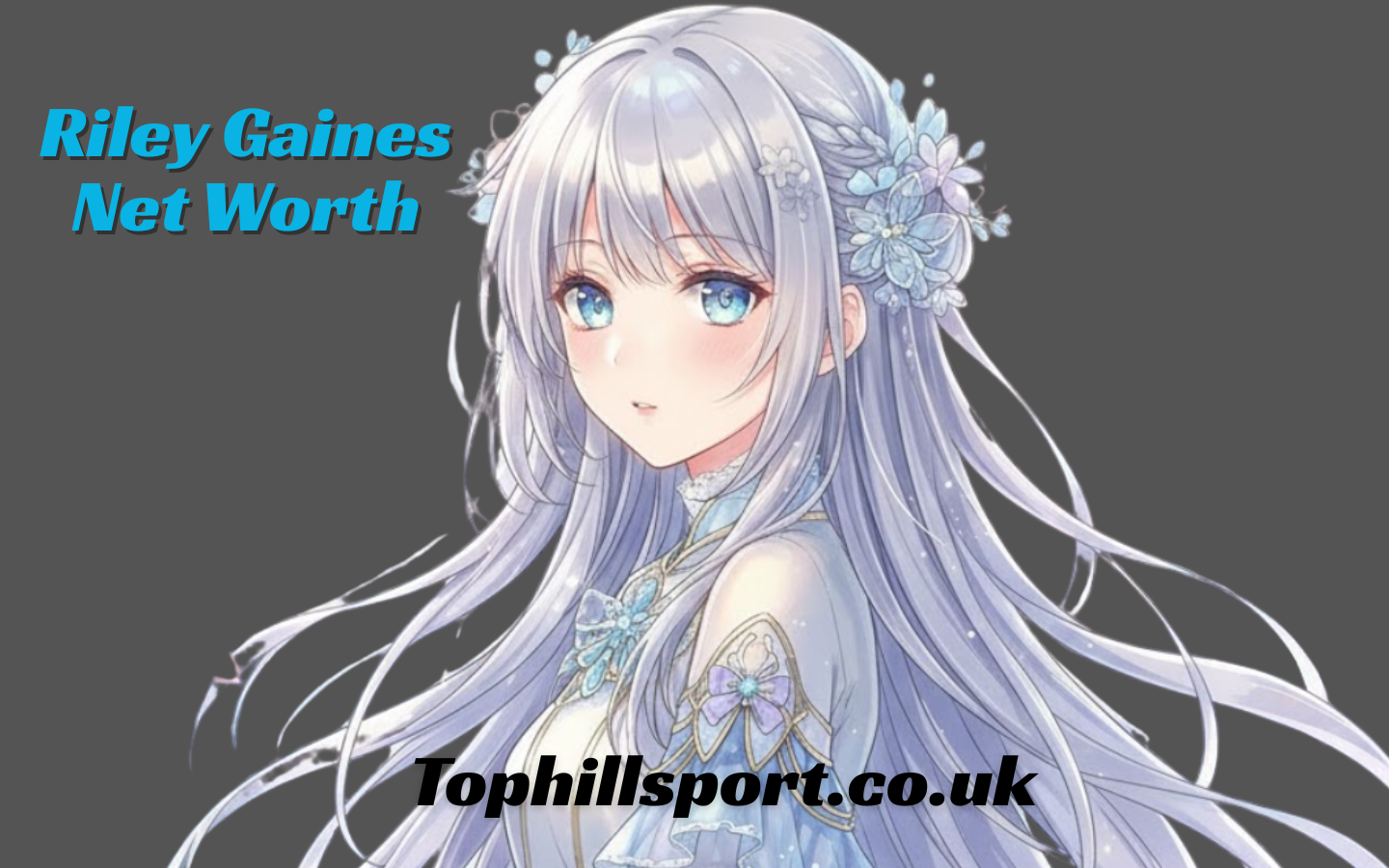
In today’s increasingly virtual world, certain digital expressions rise above the rest not because they are backed by major corporations or attached to global brands, but because they resonate deeply with online communities. Doujen moe is one such expression. While some may initially categorize it as another niche internet term, its multilayered meaning, aesthetic appeal, and cultural impact make it far more significant. From shaping micro-communities to influencing visual trends and fandom-based creativity, doujen moe sits at the intersection of digital art, identity, and online cultural evolution.
To truly understand what sets doujen moe apart in today’s digital culture, one must look beyond the surface. It is not just a stylistic choice; it is a symbolic form of expression, a visual language, and increasingly, a cultural identity. In this comprehensive guide, we break down its origins, its evolution, and the ways it has shaped fan communities, digital art, and youth identities across the world.
Understanding Doujen Moe: A Deep Dive into Its Meaning in Online Culture
The term doujen moe appears to draw influence from the broader “moe” aesthetic originating from Japanese pop culture combined with the grassroots, fan-driven creativity associated with doujin-style art and media. While “moe” refers to the emotional warmth and affection felt for a cute or charming character, doujin elements emphasize independent, fan-created works made outside traditional publishing channels. When these two frameworks merge into doujen moe, the result is a digital style that blends emotional expression, visual charm, and creator-driven independence.
Fans and artists across diverse platforms have embraced the concept. Doujen moe has become a creative shorthand for a certain kind of design: soft, expressive, playful, tender, and heavily character-based. Because of its adaptability, doujen moe is now used across digital art communities, fanfiction platforms, aesthetic blogs, avatar creation tools, and even online games.
Most importantly, its rise highlights a key shift in contemporary digital culture toward community-led artistic movements that prioritize authenticity and emotional resonance over polished, corporate-driven imagery.
Tracing the Origins: How Doujen Moe Emerged as a Cultural Aesthetic
Although the term doujen moe may seem new, its roots are woven through two long-standing traditions in pop culture: Japanese fan production (doujin) and the moe character phenomenon. For years, doujin circles have produced fan-made comics, art collections, and games inspired by mainstream titles. These works were often shared in small groups but have grown massively with the spread of the internet.
Simultaneously, the moe concept gained popularity in anime circles, representing a feeling of affection and a deeper emotional response toward fictional characters. As online communities expanded globally, these ideas blended, reshaped, and evolved. Eventually, the merging of fan independence, emotional aesthetics, and character-driven creativity gave rise to the unique digital expression now known as doujen moe.
Unlike many cultural trends that originate from pop culture industries, doujen moe emerged organically from the community itself. That grassroots origin is one of its most distinct features and a major reason it continues to flourish.
The Visual Language of Doujen Moe: What Makes It Instantly Recognizable?
One of the reasons doujen moe stands out is its instantly identifiable aesthetic. While it continues to evolve, several visual and stylistic elements commonly define it:
-
Soft color palettes — ranging from pastel shades to gentle hues that evoke warmth and tenderness
-
Expressive character designs — focusing on emotions, personality, and charm rather than realism
-
Hand-drawn or indie-inspired textures — reinforcing its connection to fan-made creativity
-
Cute, detailed features — big eyes, rounded shapes, and expressive poses
-
Light, whimsical themes — scenes filled with emotional storytelling and dreamy atmospheres
This visual language is not merely decorative. It communicates a sense of vulnerability, affection, and emotional connection. Artists often choose the doujen moe style because it allows them to express narratives that might feel too delicate or too intimate for more polished, commercial aesthetics.
Moreover, the style appeals to younger generations who search for softness, emotional safety, and authenticity in the digital world a stark contrast to the hyperrealistic, overly curated content that dominates many social platforms.
Community Influence: Why Doujen Moe Thrives in Collaborative Digital Spaces
The growth of doujen moe cannot be understood without acknowledging the power of online communities. Platforms like Reddit, Discord, Tumblr, Pixiv, and even TikTok host thriving micro-communities where fans experiment, share, refine, and remix the aesthetic. This collective participation is essential to its identity.
Unlike traditional art movements that rely on academic institutions or established creators, doujen moe thrives on collaboration. Anyone regardless of skill level, nationality, or cultural background can become a contributor. This open-door nature has allowed the style to evolve quickly, adapt to new mediums, and expand into diverse digital subcultures.
The communal nature also encourages:
-
Fan art exchanges
-
Avatar commissions
-
Emotion-driven character creation
-
Collaborative storytelling
-
Self-representation through art
What makes doujen moe particularly unique is that it encourages participants to take ownership of the aesthetic. Instead of copying a rigid formula, communities reinterpret it constantly, leading to endless creative diversity.
Doujen Moe in Digital Identity: Why the Style Appeals to Younger Generations
In an age where online identity is almost as important as real-life identity, doujen moe provides a compelling visual and emotional toolkit. Younger users especially gravitate toward it because it feels gentle and authentic qualities increasingly rare on platforms filled with pressure, comparison, and hyper-commercial content.
Here’s why it resonates so strongly:
1. Emotional Comfort
The softness of doujen moe visuals creates a sense of emotional safety. The gentle designs help counterbalance digital anxiety and information overload.
2. Relatability
Characters drawn in doujen moe style often display exaggerated emotions sadness, joy, nervousness, excitement which can make users feel understood and validated.
3. Personal Expression
Many people adopt doujen moe avatars, icons, or art styles to express parts of themselves they might suppress offline.
4. Inclusiveness
The lack of rigid standards makes the aesthetic accessible. Artists and fans from all backgrounds can contribute without needing professional tools or training.
In this way, doujen moe is not just an art style it is a mechanism for identity-building in a world that often feels fragmented.
How Doujen Moe Influences Fan Creativity and Indie Art Production
Fan-made creativity is at the heart of the doujen moe movement. Independent artists use the aesthetic to create comics, short animations, character sheets, digital stickers, and game assets. Because the style emphasizes emotion and individuality, it offers tremendous flexibility.
The influence is particularly strong in:
-
Fanfiction cover art
-
VTuber avatar designs
-
Indie game character modeling
-
Webtoons and independent manga
-
Aesthetic social media accounts
-
Merchandise such as keychains, prints, and charms
The ability for artists to monetize their doujen moe creations has also strengthened the aesthetic’s presence. Many creators sell commissions, custom icons, or themed art packs. This commercialization though grassroots in nature has helped the style expand far beyond niche communities and into mainstream digital culture.
Doujen Moe in Gaming: A Style that Enhances Character Attachment
Another fascinating area where doujen moe has gained traction is gaming. While not all games adopt the aesthetic, those that do often find that players form stronger emotional connections with characters thanks to the expressive and endearing style.
Role-playing games, visual novels, and social simulation games are especially influenced by doujen moe. These genres rely heavily on character interactions and emotional storytelling, making the aesthetic a natural fit.
Players have reported that characters drawn in doujen moe style feel:
-
More approachable
-
More emotionally resonant
-
Easier to empathize with
-
More memorable
Game developers especially indie studios often favor the style because it is easier to produce than high-budget 3D realism while still delivering deep emotional impact.
This emotional connection plays a major role in the popularity of certain indie titles and mobile games, proving that art style is just as important as gameplay in shaping player experience.
Why Doujen Moe Continues to Spread Across Global Digital Culture
While many internet trends rise and fall quickly, doujen moe has shown remarkable longevity. The reason lies in its flexibility, emotional resonance, and grassroots origins. Unlike trends imposed from above, doujen moe spreads horizontally through fans, creators, and online friends.
Several factors drive its ongoing relevance:
1. Universal Emotions
The aesthetic emphasizes feelings that people across cultures understand joy, affection, shyness, nostalgia. This universality fuels global adoption.
2. Platform Compatibility
Whether it’s Instagram, TikTok, DeviantArt, or gaming forums, doujen moe fits seamlessly everywhere.
3. Constant Reinvention
Communities continuously remix the aesthetic, ensuring it never becomes stagnant.
4. Rising Demand for Soft Aesthetics
As digital life becomes faster and more stressful, many seek comfort in soft visuals and emotionally warm expressions.
Ultimately, doujen moe remains relevant because it fills a cultural need something few digital trends manage to accomplish.
Conclusion
Doujen moe is far more than a fleeting aesthetic trend. It is a cultural movement rooted in creativity, emotional expression, and community collaboration. Its rise reflects major shifts in how people relate to digital art, online identity, and fandom culture. By providing a safe, welcoming, and expressive visual language, it has become a significant part of the modern digital landscape.
What sets doujen moe apart is its ability to bridge the gap between personal emotion and public creativity. It allows individuals especially younger generations to express themselves authentically while contributing to a global artistic conversation. Its softness, charm, and emotional resonance make it uniquely positioned to continue shaping digital culture for years to come.



Leave a Reply