

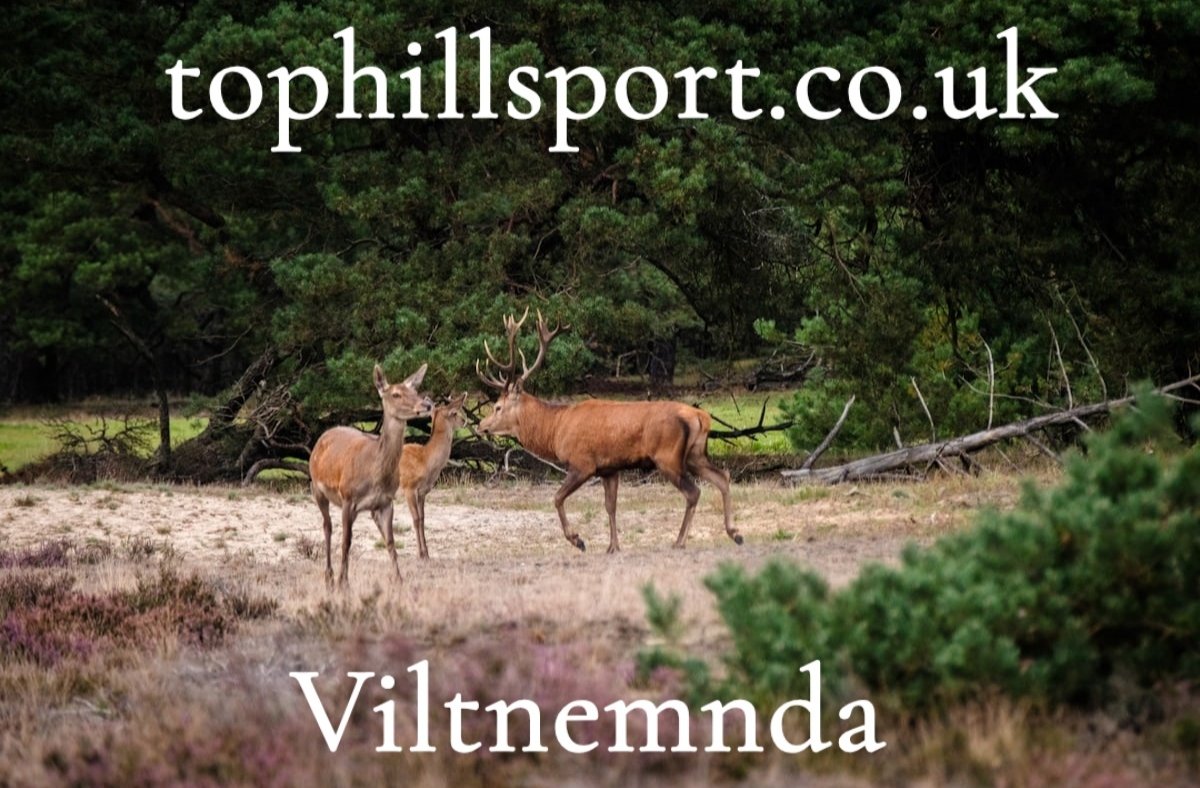
Managing wildlife, protecting ecosystems, and ensuring harmonious coexistence between humans and nature requires structured decision-making at the local level. In Norway, one of the most important bodies tasked with this responsibility is the viltnemnda, a wildlife board that plays a pivotal role in conservation, wildlife management, community coordination, and conflict mitigation. While many people may have heard the term, few fully understand the depth of its responsibilities or how essential it is to sustainable natural resource management. This article dives deep into the purpose, functions, operations, and importance of the viltnemnda, offering a comprehensive and human-friendly explanation of the system that quietly shapes wildlife policy across municipalities.
What Is the Viltnemnda? A Complete Introduction
The viltnemnda is a local wildlife management board typically established at the municipal level in Norway. Its primary purpose is to oversee wildlife-related matters such as population control, hunting regulations, wildlife conservation, and responding to conflicts between humans and animals. While Norway’s national environmental authorities create broad laws and frameworks, it is the viltnemnda that implements these guidelines on the ground, making it an indispensable link between policy and practical management. Villtnemnda members are often individuals with background knowledge in ecology, hunting, environmental science, or local governance, giving the board a strong base of expertise. Their work ensures that local ecosystems remain balanced and that wildlife populations are managed according to scientific assessments rather than uncontrolled exploitation or emotional decision-making.
The Historical Roots and Evolution of the Viltnemnda System
The concept of a local wildlife board evolved from traditional community-based hunting councils that existed long before modern conservation systems were implemented. Historically, rural Norwegian communities collaborated to regulate hunting seasons and decide how to protect resources crucial for survival. Over time, as populations grew and external pressures increased such as road development, agriculture, and tourism Norway recognized the need for a structured, law-backed system to manage wildlife. This led to the official establishment of the viltnemnda, which formalized local wildlife regulations while allowing municipalities to adapt rules according to region-specific ecological conditions. The evolution of the viltnemnda demonstrates how traditional knowledge and modern environmental science can merge to create effective sustainable management practices.
Core Responsibilities of the Viltnemnda
The duties of the viltnemnda are extensive and highly specialized. One of the board’s central responsibilities is wildlife population control. This includes determining the number of animals that can be hunted annually, particularly for species such as deer, moose, and other large game. These decisions are typically informed by ecological studies, migration patterns, and population surveys. In addition to regulating hunting quotas, the viltnemnda is responsible for the approval and issuance of hunting licenses, ensuring that hunting activities are safe, legal, and ecologically appropriate.
Another major responsibility is conflict resolution, especially in cases where wildlife causes damage to crops, livestock, or infrastructure. When a moose, for example, wanders into populated areas or grazes farmland, the viltnemnda may coordinate relocation efforts or other interventions. Moreover, when incidents involving injured wildlife occur such as animals hit by vehicles the viltnemnda often oversees emergency response and ensures humane treatment.
Environmental education also forms a crucial part of their mandate. The board works with schools, hunting organizations, and community groups to spread awareness about wildlife behavior, safety practices, and ecological preservation. Through workshops, community meetings, and local outreach programs, the viltnemnda fosters a more informed public that actively participates in wildlife conservation.
How the Viltnemnda Works With Local Hunters and Communities
In many regions of Norway, hunting is not just a sport but a cultural and economic activity. Recognizing this, the viltnemnda maintains close communication with hunting clubs, landowners, and local outdoor organizations. This relationship ensures that regulations are not only environmentally sound but also realistic and culturally sensitive. Before setting annual quotas or adjusting hunting zones, the viltnemnda often consults local stakeholders to gather on-the-ground insights. Hunters, for example, can provide valuable observations about animal movement patterns or signs of overpopulation.
The viltnemnda also manages training programs and safety courses required for new hunters. These educational initiatives promote ethical hunting practices, ensuring that participants respect wildlife and follow regulations designed to preserve ecological balance. In addition, the board acts as a mediator when disagreements arise between hunters and landowners or among different community groups. Through active communication and fair regulations, the board helps maintain cooperation and trust.
Environmental and Ecological Impact of the Viltnemnda
The decisions made by the viltnemnda significantly influence the health and sustainability of local ecosystems. By regulating hunting practices and monitoring animal populations, the board ensures that species do not become endangered or overpopulated. Overpopulation can have damaging consequences such as crop destruction, increased car accidents, and habitat degradation caused by overgrazing. Likewise, overly restrictive hunting measures can reduce biodiversity and disrupt predator-prey dynamics.
In addition to regulating wildlife populations, the viltnemnda supports broader conservation efforts. This includes protecting habitats, monitoring endangered species, and collaborating with national environmental agencies on long-term research projects. Many regions also face challenges related to climate change, such as altered migration patterns and reduced food availability for certain species. The viltnemnda plays a crucial role in adapting management strategies to these changing conditions by gathering data, consulting experts, and updating local policies accordingly.
Integrating Research, Data, and Technology Into Wildlife Management
Modern wildlife management increasingly relies on scientific data and technological tools, and the viltnemnda is no exception. The board often collaborates with environmental researchers to analyze population trends, genetic diversity, and habitat conditions. Tracking technologies such as GPS collars, drones, wildlife cameras, and satellite data enable more precise monitoring of animal movements and behaviors.
These technological tools make it easier for the viltnemnda to make informed decisions about hunting quotas, conservation priorities, and emergency interventions. For example, GPS-based tracking can reveal changes in migration routes caused by urbanization or climate shifts, prompting the board to adjust wildlife crossing zones to reduce accidents. In addition, digital databases help maintain accurate records of hunting permits, reported sightings, wildlife incidents, and conservation outcomes, ensuring transparency and accountability.
Viltnemnda and Human Wildlife Conflict Management
With expanding human settlements and increased outdoor recreational activity, interactions between humans and wildlife have become more frequent. The viltnemnda plays a frontline role in managing and preventing these conflicts, ensuring safety for both people and animals. When large animals like moose or deer wander into residential areas, the board may dispatch trained personnel to guide the animal back to the forest or relocate it if necessary. In cases involving dangerous predators such as wolves or bears, the viltnemnda works closely with national wildlife authorities to assess risks and determine appropriate actions.
The board also assists in estimating and compensating for damages caused by wildlife. For farmers who lose crops or livestock due to animal intrusion, the viltnemnda conducts evaluations to verify incidents and facilitate compensation claims. This structured approach prevents unnecessary retaliation against wildlife and ensures that ecological considerations remain at the forefront.
The Legal Framework Supporting the Viltnemnda
A strong legal foundation ensures that the viltnemnda operates effectively and consistently across Norway. The Wildlife Act (Viltloven) provides the primary legal framework governing wildlife conservation, hunting practices, and municipal responsibility. Under this law, each municipality is required to establish a local wildlife board to oversee implementation and management actions. Additionally, national environmental agencies issue guidelines, regulations, and scientific recommendations that the viltnemnda must follow.
This structured hierarchy ensures that wildlife policies remain consistent across regions while still allowing municipalities the flexibility to tailor rules according to local conditions. The legal framework also ensures accountability by requiring documentation, transparency, and proper reporting of all wildlife-related decisions. Ultimately, the law recognizes the importance of balancing environmental preservation with human activities such as hunting, agriculture, and land development.
Challenges Faced by the Viltnemnda in Modern Times
Despite its well-established framework and supportive community ecosystem, the viltnemnda faces numerous challenges in the modern era. One of the biggest obstacles is climate change, which alters the behavior, distribution, and survival of many species. Sudden temperature fluctuations, abnormal weather patterns, and habitat changes force the board to continuously update strategies and adapt to uncertain conditions.
Urban expansion also increases the frequency of human-wildlife interactions, complicating conflict management. With more roads, houses, and recreational areas being developed, animal habitats shrink, making it harder to maintain natural boundaries. Furthermore, budget constraints and limited personnel can make it challenging for the viltnemnda to conduct extensive fieldwork, monitoring, or emergency response. Another challenge includes managing polarized public opinions where some advocate for stronger conservation measures, while others push for higher hunting quotas. Balancing these viewpoints requires diplomacy, evidence-based decision-making, and strong community engagement.
Why the Viltnemnda Matters for Norway’s Future
In a world where environmental stability is increasingly threatened, the role of the viltnemnda has never been more crucial. As stewards of wildlife and guardians of ecological balance, these local boards ensure that future generations inherit healthy ecosystems, thriving wildlife populations, and safe outdoor environments. Their work bridges the gap between government regulations and local realities, allowing for customized approaches that consider science, culture, and community needs.
The viltnemnda also plays an important role in promoting sustainable hunting practices. By educating hunters and enforcing ethical standards, the board ensures that Norway’s deeply rooted hunting traditions continue without undermining biodiversity. Furthermore, the board’s emphasis on research, monitoring, and conservation contributes to global knowledge about wildlife management and environmental resilience.
Conclusion
The viltnemnda stands as a cornerstone of Norway’s wildlife management system. Through its multifaceted responsibilities—ranging from policy implementation to conflict resolution, education, research, and conservation the board ensures that humans and wildlife coexist harmoniously. As challenges such as climate change, urban expansion, and ecological disruptions accelerate, the viltnemnda’s role becomes even more essential. Understanding its purpose and appreciating its contributions allows communities to participate more actively in environmental stewardship and ensures that the natural world remains vibrant and resilient for generations to come.





Leave a Reply