

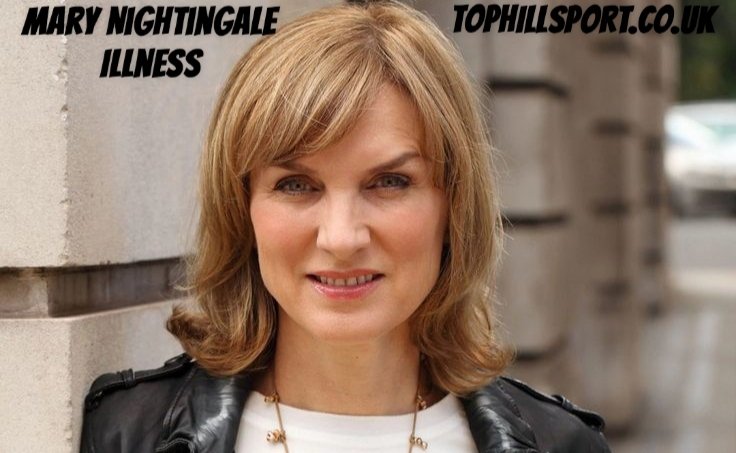
Mary Nightingale is a name synonymous with trust, calm authority, and journalistic integrity in British television news. For decades, viewers have welcomed her into their living rooms, relying on her composed presence to navigate complex political developments, national crises, and global events. When conversations around Mary Nightingale illness began to circulate, they sparked not only curiosity but also an outpouring of empathy and respect from the public. This response reveals something deeper than celebrity interest it highlights a powerful connection between a respected public figure and the audience that has grown with her over the years.
This article explores the topic of Mary Nightingale illness with care, accuracy, and humanity. Rather than speculating or intruding on personal boundaries, it focuses on what the discussion represents: public concern, the ethics of privacy, the pressures of broadcast journalism, and the emotional bond between viewers and trusted news presenters. Through an informative and respectful lens, we examine how illness narratives intersect with public life and why Mary Nightingale’s story resonates so strongly.
Mary Nightingale: A Trusted Voice in British Journalism
Before discussing Mary Nightingale illness, it is essential to understand why her health has drawn such attention in the first place. Mary Nightingale has built a long and distinguished career in broadcast journalism, particularly as the anchor of ITV Evening News. Her professionalism, measured delivery, and unwavering composure have made her one of the most trusted figures in UK media.
Trust is not easily earned in journalism, especially in an era of fast-moving news cycles and public skepticism. Nightingale’s reputation has been shaped by consistency showing up day after day with clarity, empathy, and a commitment to facts. Over time, viewers have come to associate her presence with stability. When such a familiar figure appears less frequently or is mentioned in relation to health concerns, it naturally prompts public interest.
The discussion around Mary Nightingale illness is therefore not rooted in gossip, but in genuine concern. People worry about those they feel connected to, even through a television screen. This connection forms the foundation for the widespread public response whenever questions about her well-being arise.
Understanding the Public Interest in Mary Nightingale Illness
Public interest in the health of well-known figures is a complex phenomenon. In the case of Mary Nightingale illness, the attention reflects admiration rather than intrusion. Audiences who have followed her career for decades feel a sense of shared history. They have seen her report through elections, international conflicts, and moments of national reflection.
When a familiar face is absent or appears unwell, viewers notice. In Nightingale’s case, any changes in her on-screen presence naturally lead to questions not because people feel entitled to personal details, but because her presence has become part of their routine. This dynamic is especially strong with news presenters, who are perceived as steady companions during uncertain times.
However, it is important to distinguish between healthy concern and invasive speculation. Discussions around Mary Nightingale illness have often been marked by restraint, with many fans emphasizing respect for her privacy. This balance demonstrates a mature form of public engagement one that values humanity over headlines.
Privacy, Dignity, and Health in the Public Eye
One of the most significant aspects of the Mary Nightingale illness conversation is the emphasis on privacy. Unlike some public figures who openly share health struggles, Nightingale has largely maintained a private approach to her personal life. This choice deserves respect.
Illness is deeply personal. For individuals in the public eye, the pressure to disclose health information can be intense. Yet there is no obligation to turn personal challenges into public narratives. Mary Nightingale’s approach highlights an important truth: dignity does not require disclosure.
The respectful tone surrounding Mary Nightingale illness reflects a broader cultural shift toward understanding boundaries. Many supporters have expressed concern while simultaneously acknowledging that some details are not theirs to know. This balance is a powerful example of how audiences can care without crossing lines.
The Demands of Broadcast Journalism and Personal Well-Being
To understand why discussions about Mary Nightingale illness resonate, it helps to consider the demands of her profession. Broadcast journalism, especially at the national level, is physically and emotionally taxing. Long hours, high-pressure environments, and the responsibility of delivering accurate information during crises all take a toll.
Anchors like Mary Nightingale are often expected to remain composed regardless of circumstances. They report on tragedy, conflict, and uncertainty while managing their own emotions behind the scenes. Over time, this can impact health, both mental and physical.
When viewers consider Mary Nightingale illness, many also reflect on the human cost of such demanding careers. The conversation becomes less about a single individual and more about the importance of well-being in high-pressure professions. In this sense, Nightingale’s situation opens a wider dialogue about work-life balance, resilience, and self-care.
Public Support and the Power of Collective Empathy
One of the most striking elements of the Mary Nightingale illness discussion is the overwhelming public support. Messages of goodwill, admiration, and encouragement have consistently surfaced whenever her health is mentioned. This response underscores the emotional bond between Nightingale and her audience.
Public support serves multiple purposes. For the individual, it can be a source of comfort and motivation. For the audience, it provides an opportunity to express gratitude. Many supporters have used the moment to thank Nightingale for years of dedicated service, emphasizing how her work has informed and reassured them during challenging times.
This collective empathy transforms the narrative. Instead of focusing solely on illness, the conversation becomes about appreciation, kindness, and shared humanity. It demonstrates how public figures can inspire compassion simply by being authentic and consistent over time.
Media Responsibility in Reporting Health-Related Topics
The way media outlets handle stories about Mary Nightingale illness offers an important case study in ethical journalism. Responsible reporting avoids speculation, respects privacy, and focuses on verified information. In Nightingale’s case, much of the coverage has adhered to these principles.
This approach is crucial, especially when dealing with health-related topics. Sensationalism can cause unnecessary distress and spread misinformation. By contrast, measured reporting fosters trust and understanding.
The restrained coverage of Mary Nightingale illness reinforces her legacy as a journalist who values integrity. It also sets a standard for how media should approach similar situations involving public figures prioritizing respect over clicks.
Why Mary Nightingale’s Story Resonates Across Generations
Mary Nightingale’s appeal spans generations. Older viewers remember her early career, while younger audiences recognize her as a symbol of reliable news in an unpredictable world. This broad reach explains why discussions about Mary Nightingale illness resonate so widely.
Her career represents continuity in a rapidly changing media landscape. As platforms evolve and consumption habits shift, Nightingale remains a familiar presence. This consistency creates emotional investment. People are not just watching a presenter; they are following a journey.
When health concerns arise, they prompt reflection. Viewers think about time, change, and the human stories behind public roles. In this way, Mary Nightingale illness becomes a mirror encouraging audiences to consider their own lives, priorities, and relationships.
Illness Narratives and the Humanization of Public Figures
Conversations about Mary Nightingale illness also highlight a broader cultural trend: the humanization of public figures. Audiences increasingly recognize that those on screen are not immune to the challenges faced by everyone else.
This shift fosters empathy. Rather than placing public figures on pedestals, people are learning to see them as individuals with strengths, vulnerabilities, and limits. In Nightingale’s case, this recognition deepens respect rather than diminishing it.
The discussion moves beyond illness itself to encompass resilience, professionalism, and grace under pressure. Mary Nightingale’s continued respect stems not from perfection, but from authenticity and consistency.
What Mary Nightingale Illness Teaches Us About Compassion
At its core, the conversation around Mary Nightingale illness is about compassion. It shows how concern can be expressed without entitlement, and how admiration can coexist with respect for privacy.
In a digital age where speculation spreads quickly, the largely supportive and restrained response to Nightingale’s health stands out. It suggests that audiences are capable of empathy and maturity, especially when it comes to figures who have earned trust over time.
This lesson extends beyond journalism. It applies to how society approaches illness in general encouraging kindness, patience, and understanding rather than judgment or intrusion.
Conclusion
The topic of Mary Nightingale illness is not merely about health; it is about connection. It reflects decades of trust built between a journalist and her audience, and the mutual respect that has grown from that relationship. The public response marked by concern, support, and restraint demonstrates the best of collective empathy.
Mary Nightingale’s legacy is defined not only by her professional achievements but also by the way she has conducted herself with dignity. The conversation surrounding her health reinforces why she remains such a respected figure in British media. It reminds us that behind every familiar face is a human story, deserving of compassion and understanding.
In a world often driven by speed and speculation, the measured and supportive dialogue around Mary Nightingale illness stands as a powerful example of how public discourse can be both informative and humane.





Leave a Reply