

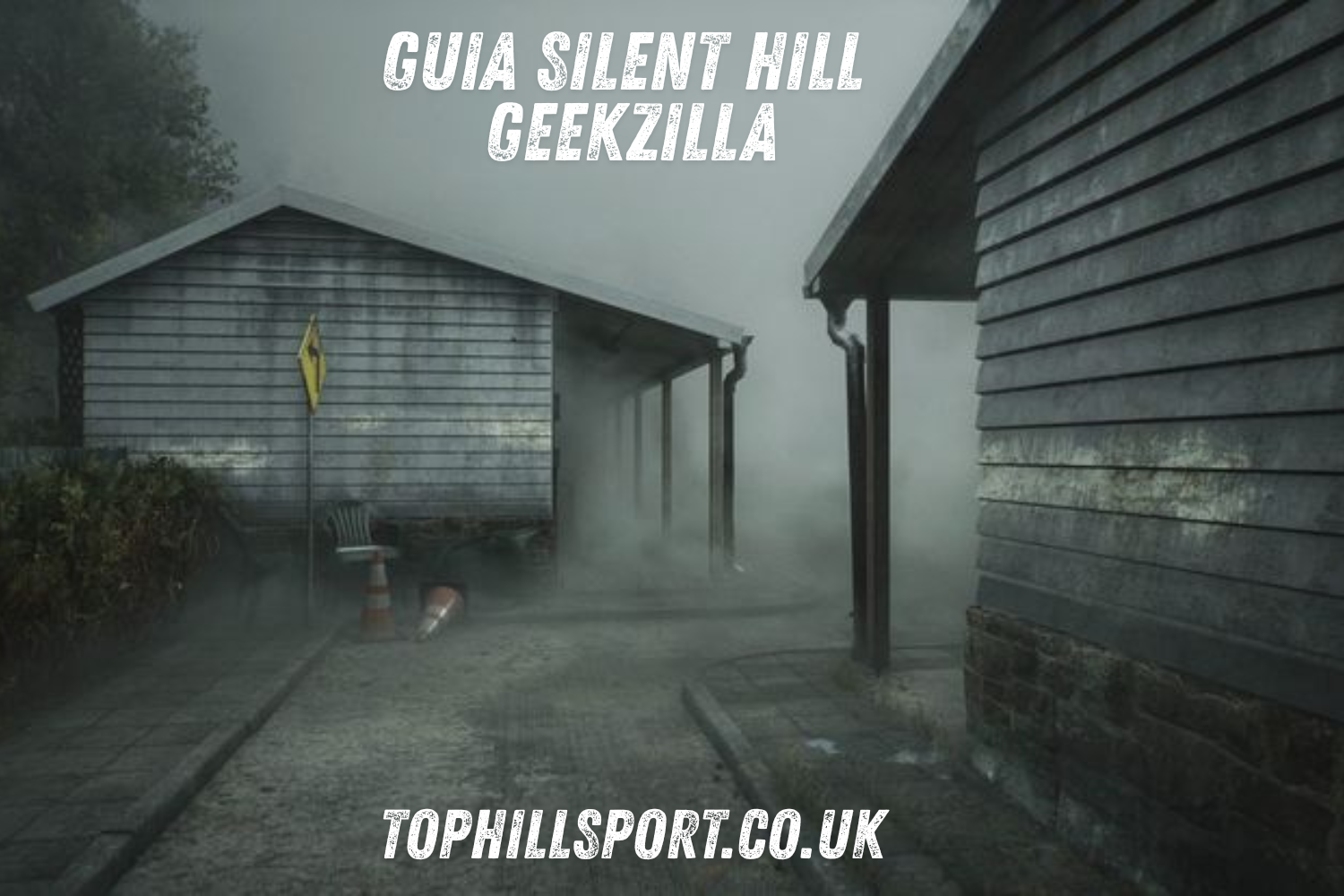
The Silent Hill franchise stands as one of the most respected and haunting video game experiences in history. Silent Hill blends psychological storytelling, atmospheric horror, and intricate gameplay in a way that few games have ever achieved. But surviving Silent Hill isn’t just about combat; it’s about understanding the world, the monsters, the puzzles, and the very psychology that fuels the terror you face.
In this guide, Silent Hill Geekzilla, we dive deep into every aspect of Silent Hill, explaining everything from core mechanics and survival tips to lore, endings, and monster breakdowns, so that you’re equipped to navigate the fog and overcome every challenge the game throws at you.
What is Silent Hill and Why It Matters
At its core, Silent Hill is a survival‑horror series created by Konami that first launched in 1999. Unlike many horror games that rely on jump scares or constant action, Silent Hill builds fear through its lingering atmosphere, unsettling sound design, and deeply personal narratives that tie the town’s horrors to the characters’ psychology.
The town of Silent Hill itself is more than just a setting; it reacts to the guilt, fears, secrets, and inner turmoil of those who enter it. Throughout the games, the fog‑covered streets, abandoned buildings, and eerie silences all feel alive, as if every shadow hides not just an enemy but a secret waiting to be uncovered.
In this guide, we focus on both the mechanics of Silent Hill gameplay and the meaning behind its elements, offering you strategic knowledge and emotional understanding.
Core Gameplay Mechanics Explained
Understanding Silent Hill’s mechanics is the first essential step in mastering the game. As players advance through the story, they must balance exploration, resource management, combat, puzzle-solving, and survival instincts.
Exploration and Navigation
The town of Silent Hill is designed to be disorienting, with thick fog, looping streets, and shifting environments that make it easy to lose your bearings. Key features of navigation include:
-
Using the Map: Often incomplete at first, the map fills in as you unlock new sections. Check it frequently to plan routes and avoid unnecessary encounters.
-
Searching Everywhere: Every room and corner can hold useful items, ammo, health, notes, and puzzle clues.
-
Backtracking with Purpose: Some areas seem blocked at first, but open later with a key or mechanic change. Always remember where you saw locked doors.
Combat and Resources
Combat in Silent Hill is not the main focus; it’s a tool of last resort. Ammo is limited, enemies can be dangerous, and resources are precious. Geekzilla’s fundamental tips include:
-
Avoid unnecessary fights; often, enemies can be bypassed.
-
Melee weapons conserve ammo indoors, especially against weaker foes.
-
Firearms should be used only when survival is at stake.
Item and Inventory Management
Your character can only carry a limited number of items, and this inventory limitation is integral to the survival aspect of the game.
-
Health items should be used sparingly.
-
Save space for keys and essential tools instead of excess ammo.
-
Combine items wisely, such as mixing first‑aid kits with herbs for maximum effect.
Puzzle Challenges and How to Solve Them
Puzzles in Silent Hill are a defining part of the experience; they’re designed not just to block progression but to deepen engagement with the story and environment. Unlike in action‑oriented games, puzzles in Silent Hill demand attention to detail, memory, and interpretation.
Types of Puzzles
The game features various puzzle styles:
-
Item‑based puzzles – Use one item on another (e.g., keys, shapes, codes).
-
Environmental puzzles – Patterns, symbols, and hidden clues in rooms.
-
Sequential puzzles – Requiring steps in a specific order for solutions.
-
Lore‑based puzzles – Hidden meanings in documents that unlock doors or secrets.
Puzzle‑Solving Tips
To master puzzles without frustration:
-
Read every note carefully — clues are rarely random.
-
Observe the environment — symbols on walls often relate to puzzle solutions.
-
Don’t skip dialogue or text — important hints often hide in plain sight.
-
Use photographs or screenshots — puzzles often reference shapes or locations that you might need to replicate.
A failure to solve puzzles won’t just block progress; it can also limit access to items and shortcuts that make later parts of the game easier.
Monsters, Symbolism, and Best Strategies
Enemies in Silent Hill aren’t just obstacles; they’re symbolic representations of the character’s psyche. A true Guia Silent Hill geekzilla doesn’t just explain enemy stats; they also explain their meaning and behavior.
Common Enemy Types
-
Nurses — Often symbolic of trauma or care lost, their unpredictable movement makes them dangerous.
-
Pyramid Head — Notorious for brutal strength, he represents punishment, guilt, and unavoidable fate.
-
Twisted Creatures — Each embodies fear, pain, or suppressed emotion.
Combat vs. Evasion
Silent Hill’s design encourages avoidance over combat. Simply rushing enemies often wastes health and ammo. Instead:
-
Learn enemy patterns — many monsters only attack in specific moments.
-
Use your environment — narrow hallways or obstacles can help funnel enemies.
-
Choose battles carefully — when possible, run or use melee instead of guns.
These strategies conserve resources and minimise danger during exploration.
Mastering Silent Hill’s Psychological Horror
The psychological horror in Silent Hill is what elevates it above standard jump‑scare games. The fear you feel isn’t just from monsters; it’s from uncertainty, ambiguity, and emotional resonance.
How Silent Hill Creates Fear
Unlike traditional horror games that rely on loud noises or sudden visuals, Silent Hill uses:
-
Sound Design — distant noises, silence, and ambient effects heighten anxiety.
-
Visual Ambiguity — fog, half‑seen shadows, and decaying environments create tension.
-
Symbolism — monsters and scenarios reflect internal guilt, trauma, and fear.
This approach means the horror resonates on a personal level the unease continues long after the game ends.
Navigating Iconic Locations and Their Secrets
Every major location in Silent Hill carries narrative weight and gameplay significance. The town’s design is a maze of symbolism and strategy, and understanding each area can drastically affect survival.
The Fog‑Shrouded Streets
The town’s streets are intentionally confusing. Fog limits visibility, and map directions may change depending on areas.
Tips for street navigation:
-
Use the in‑game map early and often.
-
Mark areas you’ve fully searched. This prevents unnecessary backtracking.
-
Note locked doors and barriers to return later with keys.
The Hospital and Nightmare Worlds
The hospital is often a central hub for puzzles and enemies. It frequently shifts between normal and “otherworld” versions, warped versions filled with rust, blood, and danger. These shifts require adaptability and careful resource management.
Understanding Endings and Player Choices
Silent Hill is famous for its multiple endings, and your choices, often subtle decisions made throughout the game, influence which ending you receive.
What Affects Endings
Unlike straightforward games where choices are explicit, Silent Hill endings are influenced by:
-
How often do you use healing items
-
Whether you protect or abandon certain characters
-
Your thoroughness in exploration
-
Specific key item interactions
Some endings are considered best, others tragic, and one is often humorous or “joke”‑style, rewarding players for rare gameplay behavior.
Understanding this enriches replay value, and Guia Silent Hill Geekzilla emphasises that endings aren’t just conclusions, they’re reflections of how you played.
Common Beginner Mistakes and How to Avoid Them
Many newcomers dive into Silent Hill expecting an action experience, but Silent Hill requires tactical patience. Common mistakes include:
-
Fighting every monster wastes precious ammo.
-
Skipping notes or documents lost insight into puzzles and lore.
-
Rushing through areas, missing key items and secrets.
-
Overusing health items leads to shortages during boss fights.
Instead, take a slow, observant approach. Survival depends on attention, not aggression.
Advanced Tips for Returning Players
For returning players, the challenge lies in maximising efficiency and uncovering hidden experiences. Advanced strategies include:
-
Playing on greater difficulties for deeper puzzle complexity.
-
Limiting HUD and map usage for greater immersion.
-
Exploring optional areas for hidden lore and items.
-
Trying speed runs with minimal healing for challenge runs.
These approaches deepen appreciation and mastery of Silent Hill’s systems.
The Enduring Legacy of Silent Hill
What makes Silent Hill timeless is not just its scares, but its emotional resonance, atmospheric mastery, and psychological depth. The franchise has impacted horror games for decades and continues to influence modern titles.
The guide Silent Hill: Geekzilla is more than a walkthrough; it’s a celebration of how games can evoke fear through meaning, narrative, and design rather than spectacle alone.
Conclusion
Surviving Silent Hill is a blend of strategy, observation, and emotional engagement. This complete guia silent hill geekzilla has given you:
-
A deep understanding of gameplay mechanics
-
Expert strategies for puzzles and combat
-
Insight into monsters and their symbolism
-
Tips for endings and storytelling
-
Navigation methods for Silent Hill’s eerie world
-
Advanced tactics for veteran players
Whether you’re stepping into Silent Hill for the first time or returning for another haunting journey, you now have everything needed to conquer its mysteries, face its horrors, and truly experience the legend of one of gaming’s most iconic survival horror series.
Happy gaming, and may your courage guide you through the fog.





Leave a Reply