

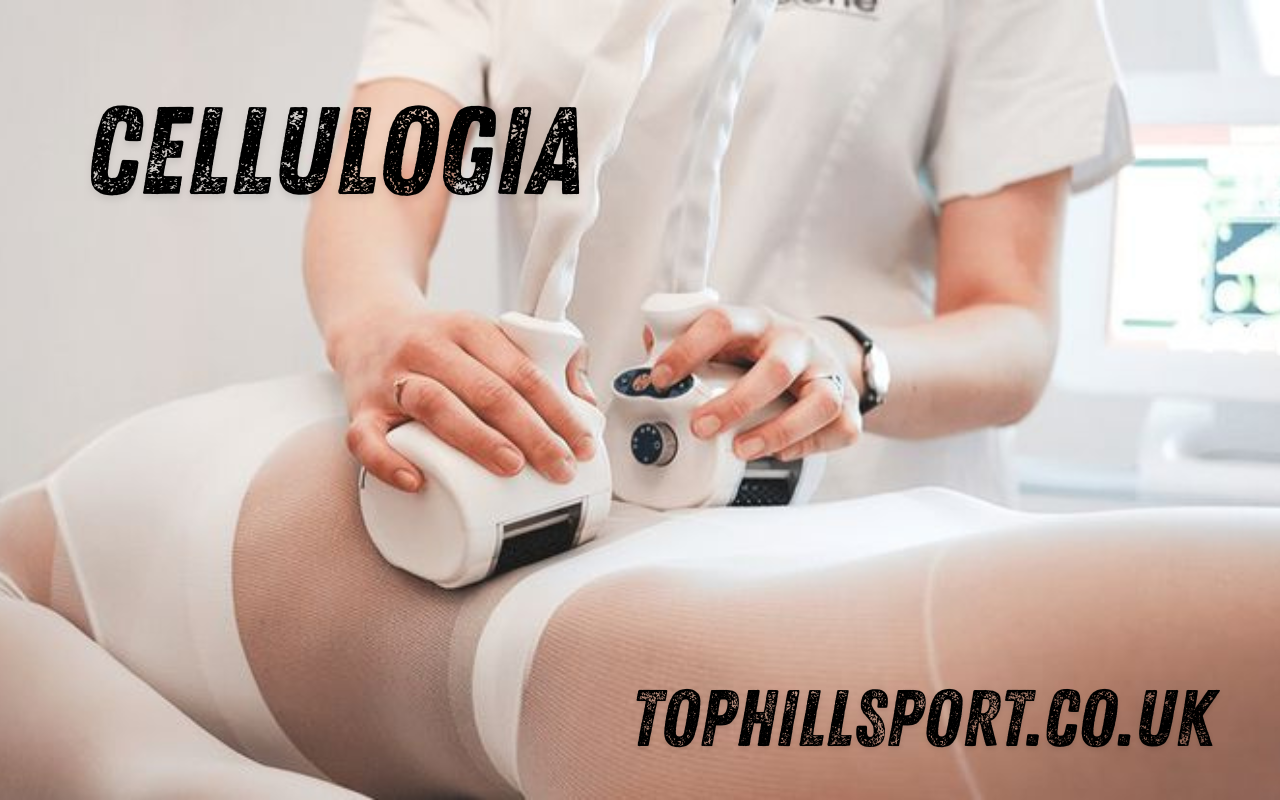
In recent years, the word cellulogia has quietly started appearing in wellness conversations, skincare discussions, and holistic health spaces. While it may sound technical or even medical, cellulogia represents a broader way of thinking about skin texture, body confidence, and how internal health reflects outward appearance. Unlike quick-fix trends or exaggerated beauty claims, cellulogia encourages a deeper understanding of how lifestyle, circulation, connective tissue, and self-care work together.
This article explores cellulogia from every angle what it means, how it differs from common terms like cellulite, why it matters today, and how modern science and holistic wellness are shaping new perspectives around it.
What Is Cellulogia?
Cellulogia is best described as a conceptual approach to understanding skin texture changes, particularly those linked to fat distribution, connective tissue behavior, fluid retention, and circulation beneath the skin. While it is often discussed alongside cellulite, cellulogia is not limited to appearance alone. Instead, it focuses on the biological and lifestyle factors that influence skin structure over time.
Rather than labeling textured skin as a flaw, cellulogia reframes it as a natural physiological process influenced by genetics, hormones, movement, hydration, and metabolic health. This shift in thinking has helped move the conversation away from shame and toward awareness and care.
Cellulogia vs. Cellulite: What’s the Difference?
Although the two terms are closely connected, they are not identical.
Cellulite typically refers to the visible dimpled appearance of skin, most commonly on the thighs, hips, and buttocks. It is a descriptive term focused on what we see on the surface.
Cellulogia, on the other hand, looks deeper. It examines:
-
The structure of connective tissue
-
Fat cell behavior
-
Blood and lymphatic circulation
-
Inflammation and fluid retention
-
Lifestyle habits that influence skin health
In simple terms, cellulite describes the symptom, while cellulogia describes the system behind it. This distinction is important because it changes how people approach treatment, prevention, and self-acceptance.
The Biology Behind Cellulogia
To understand cellulogia, it helps to know what happens beneath the skin.
Human skin is supported by a network of connective tissue fibers that hold fat cells in place. When these fibers weaken or stiffen, fat cells can push upward while connective tissue pulls downward, creating uneven texture. Factors such as reduced circulation, hormonal changes, and inflammation can make this process more noticeable.
Cellulogia acknowledges that this process is:
-
Extremely common, especially in women
-
Not linked to body weight alone
-
Influenced by natural aging and genetics
Rather than blaming fat or body size, cellulogia focuses on tissue health and circulation as the core elements.
Why Cellulogia Is Gaining Attention Now
The rise of cellulogia as a concept is closely tied to changing beauty standards and wellness culture. People are increasingly rejecting unrealistic expectations and instead seeking sustainable, science-based approaches to health.
Several cultural shifts have contributed to this:
-
Body positivity and body neutrality movements
-
Increased awareness of lymphatic health
-
Growth of holistic skincare and wellness
-
Social media transparency about edited images
Cellulogia fits perfectly into this new mindset. It doesn’t promise perfection. Instead, it promotes understanding, care, and informed choices.
Lifestyle Factors That Influence Cellulogia
One of the key ideas behind cellulogia is that skin health reflects daily habits. Small, consistent behaviors can influence how connective tissue and circulation function over time.
Movement and Circulation
Regular movement supports blood flow and lymphatic drainage. Walking, stretching, strength training, and low-impact exercises all help maintain tissue elasticity and reduce fluid stagnation.
Hydration
Well-hydrated tissue is more resilient and flexible. Dehydration can make skin appear dull and uneven, emphasizing texture changes associated with cellulogia.
Nutrition
A diet rich in whole foods supports collagen production and reduces inflammation. Antioxidants, healthy fats, and adequate protein play a major role in skin structure.
Stress and Hormones
Chronic stress affects hormone balance and circulation, both of which influence skin health. Cellulogia recognizes the skin as part of the nervous system’s response to stress.
Modern Approaches to Managing Cellulogia
Rather than quick fixes, modern cellulogia approaches focus on long-term tissue support. These methods aim to improve how skin functions rather than simply masking its appearance.
Manual Techniques
Massage therapies, including lymphatic drainage and deep tissue massage, are often used to stimulate circulation and improve tissue flexibility.
Topical Care
Skincare products containing caffeine, retinol, peptides, or botanical extracts may temporarily improve skin firmness and hydration, supporting a smoother appearance.
Technology-Based Treatments
Some people explore non-invasive treatments like radiofrequency or ultrasound therapies. These methods target deeper tissue layers and are often used as part of a broader wellness routine.
Holistic Practices
Practices such as dry brushing, contrast showers, and mindful movement align closely with the cellulogia philosophy of whole-body care.
The Emotional Side of Cellulogia
One of the most important aspects of cellulogia is how it reshapes emotional relationships with the body.
For decades, textured skin was framed as something to hide or eliminate. Cellulogia challenges that narrative by emphasizing:
-
Education over embarrassment
-
Care over correction
-
Health over unrealistic beauty standards
When people understand that these skin changes are normal and common, it reduces anxiety and self-criticism. This emotional shift is just as valuable as any physical outcome.
Cellulogia and Aging: A Natural Partnership
As the body ages, collagen production slows, connective tissue becomes less elastic, and circulation may change. Cellulogia recognizes aging as a natural collaborator, not an enemy.
Rather than fighting age-related changes, the cellulogia mindset encourages:
-
Supporting tissue health at every life stage
-
Adapting care routines over time
-
Appreciating the body’s resilience
This approach aligns with graceful aging rather than unrealistic anti-aging promises.
Myths and Misconceptions About Cellulogia
Despite growing awareness, several myths still surround cellulogia.
One common misconception is that only overweight individuals experience textured skin. In reality, people of all body types can experience changes related to cellulogia.
Another myth is that expensive products can “erase” it permanently. While some treatments improve skin appearance, no solution completely overrides genetics and biology.
Cellulogia promotes realism progress instead of perfection.
A Healthier Way Forward
At its core, cellulogia represents a health-centered, compassionate way of understanding skin. It encourages people to care for their bodies with knowledge rather than criticism.
Instead of asking, “How do I get rid of this?” cellulogia asks:
-
“What does my body need?”
-
“How can I support my skin long-term?”
-
“How do lifestyle choices affect my tissue health?”
These questions lead to sustainable habits rather than frustration.
Final Thoughts
Cellulogia is not a trend or a miracle solution. It is a shift in perspective one that blends science, wellness, and self-respect. By focusing on circulation, connective tissue health, and daily habits, cellulogia empowers people to understand their skin rather than battle it.
In a world obsessed with perfection, cellulogia offers something far more valuable: clarity, balance, and acceptance. And sometimes, that understanding is the most powerful transformation of all.





Leave a Reply