

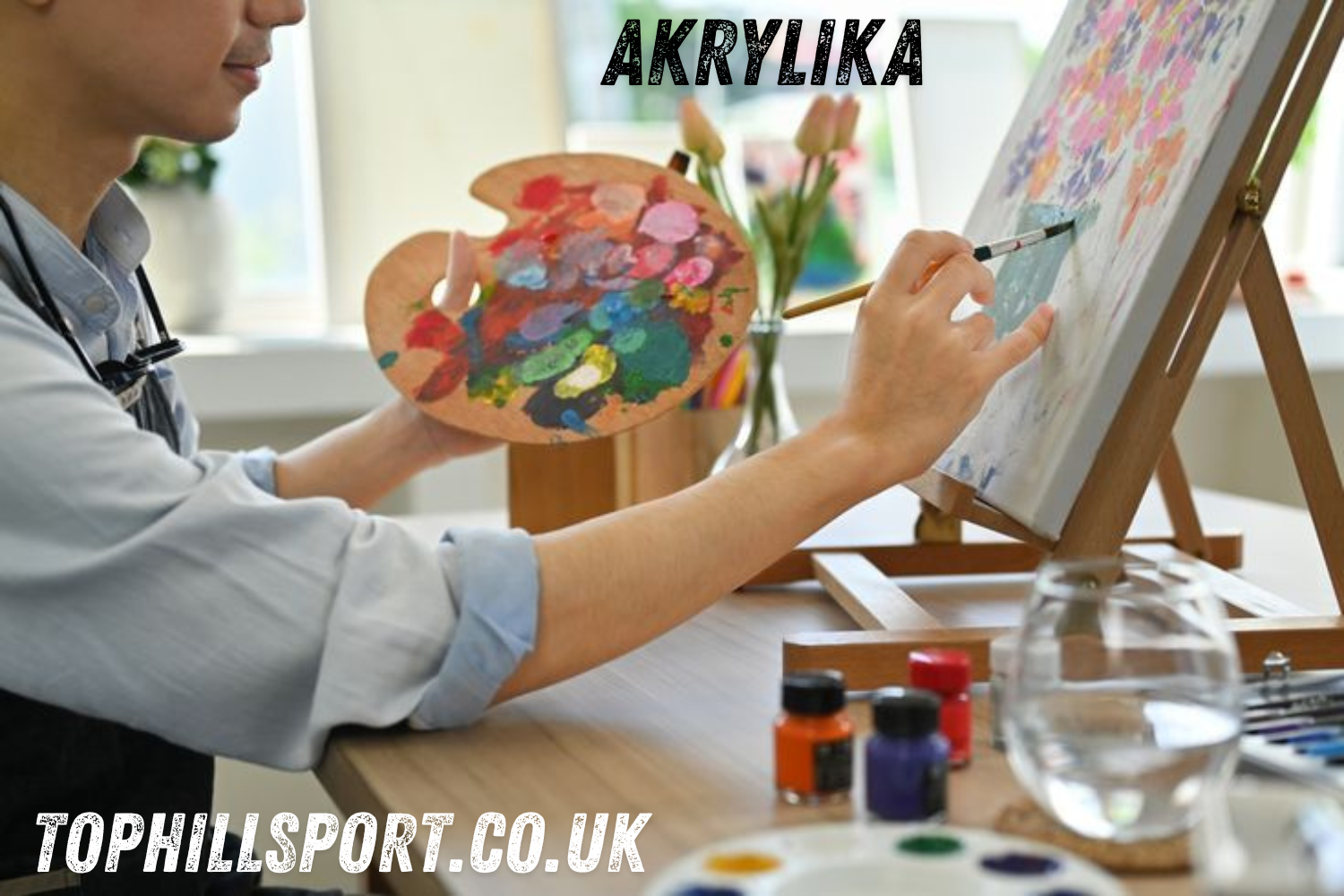
In the ever-evolving world of design, materials often define eras. Stone marked permanence, wood symbolized warmth, steel introduced industrial strength, and glass opened the door to transparency. Today, akrylika stands as a material that represents modern creativity, flexibility, and innovation. It is not just a surface or a substitute; it is a statement of how design thinking has shifted toward adaptability, sustainability, and visual impact. Across architecture, interior design, product manufacturing, and even art, akrylika is quietly shaping the future.
What makes akrylika especially fascinating is its balance between functionality and aesthetics. Designers no longer want materials that simply “work.” They want materials that inspire, adapt, and communicate emotion. Akrylika does exactly that. From sleek commercial spaces to expressive art installations, it bridges the gap between technical performance and visual elegance. This article explores akrylika in depth its origins, applications, benefits, challenges, and its promising role in shaping the future of design.
Understanding akrylika: Definition and Material Essence
At its core, akrylika refers to acrylic-based material innovations that blend durability, clarity, and versatility. Acrylic materials have been around for decades, but akrylika represents a more refined, design-driven evolution. It is not limited to a single form; instead, it exists as sheets, panels, coatings, composites, and sculptural elements that can be customized to suit nearly any design vision.
What sets akrylika apart from traditional acrylic is how it is perceived and used. Rather than being seen as a simple plastic alternative, akrylika is treated as a premium design medium. Its smooth texture, glass-like transparency, and ability to accept color, texture, and light make it highly adaptable. Designers appreciate how it can be molded into complex shapes without losing strength, allowing creativity to flow without material limitations.
Equally important is its consistency. Akrylika offers predictable performance in terms of strength, weather resistance, and longevity. This reliability makes it suitable not only for decorative purposes but also for structural and semi-structural applications. As design demands continue to grow more complex, materials like akrylika become essential tools rather than optional extras.
The Evolution of akrylika in Modern Design Culture
The rise of akrylika is closely tied to changes in design philosophy. In the past, materials were chosen primarily for cost or availability. Today, materials are selected based on storytelling, user experience, and environmental impact. Akrylika fits perfectly into this new mindset.
In the late 20th century, acrylic materials gained popularity as affordable alternatives to glass. Over time, designers discovered that acrylic could do far more than imitate other materials. With advancements in manufacturing, akrylika emerged as a distinct category one that embraced bold colors, layered transparency, and innovative textures. Designers began using it not just as a replacement, but as a focal point.
In contemporary design culture, akrylika symbolizes progress. It aligns with minimalism due to its clean appearance, yet it also supports expressive and experimental styles. Whether used in futuristic interiors or artistic installations, akrylika reflects a world that values adaptability and visual clarity. Its evolution mirrors our broader shift toward design that is both practical and emotionally engaging.
Applications of akrylika Across Industries
One of the strongest advantages of akrylika is its wide range of applications. In architecture, akrylika panels are used for façades, skylights, partitions, and signage. Their ability to transmit light while maintaining strength makes them ideal for modern buildings that prioritize openness and energy efficiency. Architects appreciate how akrylika allows natural light to flow while still offering privacy through frosted or textured finishes.
In interior design, akrylika appears in furniture, wall panels, lighting fixtures, and decorative elements. It can create a sense of spaciousness in small rooms or add bold accents in larger spaces. Designers often choose akrylika for its ability to reflect light and color, transforming interiors into dynamic environments that change throughout the day.
The product design industry also heavily relies on akrylika. From consumer electronics casings to luxury packaging, akrylika provides a sleek and modern look. Its durability ensures products maintain their appearance over time, while its flexibility allows for unique shapes and finishes. Even in art and fashion, akrylika is used to push boundaries, proving that it is as expressive as it is functional.
Aesthetic Power: Why Designers Love akrylika
Design is as much about emotion as it is about structure, and akrylika excels in delivering emotional impact. Its clarity and smoothness evoke a sense of modernity and precision. When colored, it can appear vibrant and bold; when transparent, it feels light and almost invisible. This duality gives designers incredible creative freedom.
Another aesthetic strength of akrylika lies in its interaction with light. Unlike opaque materials, akrylika can diffuse, reflect, or transmit light in controlled ways. This makes it ideal for lighting design, where it can soften harsh illumination or create dramatic visual effects. Designers often use layered akrylika panels to add depth and movement to spaces without overwhelming them.
Texture also plays a role. Akrylika can be polished to a mirror-like finish or treated to achieve matte, frosted, or patterned surfaces. This range allows it to adapt to different design languages from ultra-minimalist to richly decorative. In a world where visual identity matters more than ever, akrylika offers designers a powerful aesthetic toolkit.
Durability and Performance: The Functional Side of akrylika
While akrylika is visually appealing, its functional performance is equally impressive. It is known for its strength-to-weight ratio, making it lighter than glass while still offering significant durability. This characteristic reduces transportation and installation challenges, especially in large-scale projects.
Akrylika is also resistant to weather, UV radiation, and moisture. These qualities make it suitable for both indoor and outdoor use. Over time, it retains its clarity and color better than many traditional materials, reducing the need for frequent replacement or maintenance. For designers and builders, this reliability translates into long-term value.
Safety is another important factor. Akrylika is less likely to shatter compared to glass, making it a safer option in public spaces and high-traffic environments. Its ease of fabrication and repair further enhances its practicality. These functional benefits ensure that akrylika is not just a design trend, but a dependable material choice.
Sustainability and Environmental Considerations
As sustainability becomes a central concern in design, materials are being evaluated not only for performance but also for environmental impact. Akrylika occupies a complex but promising position in this conversation. Traditionally, acrylic materials have faced criticism for being petroleum-based. However, recent innovations are changing this narrative.
Manufacturers are now developing more sustainable forms of akrylika, including recycled and recyclable variants. Advances in production technology have reduced waste and energy consumption, making akrylika more eco-friendly than in the past. Its durability also contributes to sustainability by extending product lifespans and reducing the need for frequent replacements.
Additionally, akrylika’s light-transmitting properties can support energy-efficient design. By maximizing natural light, buildings can reduce reliance on artificial lighting, lowering energy consumption. While there is still room for improvement, akrylika is increasingly aligning with the values of responsible and sustainable design.
Challenges and Limitations of akrylika
No material is without limitations, and akrylika is no exception. One of the main challenges is surface sensitivity. Although durable, akrylika can scratch more easily than glass or metal if not properly treated or maintained. This requires careful handling and appropriate cleaning methods to preserve its appearance.
Cost can also be a factor. High-quality akrylika products, especially those with advanced finishes or custom fabrication, can be more expensive than basic materials. However, many designers view this as an investment rather than a drawback, considering its longevity and aesthetic impact.
Another limitation lies in perception. In some contexts, acrylic materials are still associated with cheap plastics. Overcoming this perception requires education and thoughtful design application. When used creatively and intentionally, akrylika easily transcends outdated stereotypes and demonstrates its true value.
Technological Innovations Shaping akrylika
Technology plays a crucial role in the ongoing development of akrylika. Modern manufacturing techniques such as CNC cutting, laser engraving, and 3D forming have expanded what designers can achieve. These technologies allow for precision and customization at levels that were previously impossible.
Smart design integration is another exciting area. Akrylika is increasingly being combined with digital elements, such as embedded lighting, interactive displays, and smart surfaces. This fusion of material and technology opens new possibilities for responsive environments and user-centered design.
Research into new formulations is also pushing akrylika forward. Enhanced scratch resistance, improved recyclability, and bio-based acrylic alternatives are all areas of active development. These innovations ensure that akrylika remains relevant in a rapidly changing design landscape.
The Future of akrylika in Global Design Trends
Looking ahead, akrylika is poised to play an even more significant role in global design trends. As urban spaces become denser and more multifunctional, materials that offer flexibility and visual openness will be in high demand. Akrylika’s ability to create light-filled, adaptable environments makes it a natural choice for future cities.
In residential design, akrylika is expected to become more personalized, with custom colors, textures, and forms tailored to individual lifestyles. In commercial and public spaces, it will continue to support branding, wayfinding, and immersive experiences. Its compatibility with digital technologies also positions it as a key material in smart buildings and interactive environments.
Ultimately, the future of akrylika is about balance between beauty and performance, innovation and responsibility, tradition and experimentation. As designers continue to explore its potential, akrylika will remain a symbol of how materials can shape not just spaces, but experiences.
Conclusion
Akrylika is more than a material; it is a reflection of how design has evolved to meet the demands of a complex, fast-changing world. Its blend of aesthetic versatility, functional reliability, and growing sustainability makes it a powerful tool for designers across disciplines. From architecture to art, from product design to urban spaces, akrylika continues to redefine what is possible.
As innovation pushes forward and design challenges become more nuanced, materials like akrylika will play a central role in shaping our built environment. It invites creativity without sacrificing performance and offers beauty without ignoring responsibility. In many ways, akrylika represents the future of design itself clear, adaptable, and endlessly inspiring.





Leave a Reply